
Introduction
Nutrition plays a key role in managing this condition by improving insulin sensitivity and supporting overall metabolic health.
Goals of Nutritional Therapy
The primary dietary goals include:
Improving insulin sensitivity
Supporting healthy weight management
Reducing blood sugar spikes
Enhancing skin health
Recommended Dietary Guidelines
1. Low Glycemic Index (GI) Foods
Low GI foods help maintain stable blood sugar levels and reduce insulin spikes.
Examples:
Whole grains (millets like ragi, jowar, bajra)
Brown rice, quinoa
Legumes (lentils, chickpeas)
Non-starchy vegetables (spinach, broccoli, cucumber)
2. High Fiber Diet
Fiber slows glucose absorption and improves insulin response.
Sources:
Oats and barley
Fruits (apple, guava, berries)
Vegetables (carrot, beans)
Seeds (chia, flaxseeds)
3. Lean Protein Intake
Protein helps stabilize blood sugar and supports metabolism.
Sources:
Dal and legumes
Paneer, tofu
Eggs (if consumed)
Greek yogurt
4. Healthy Fats
Healthy fats improve insulin sensitivity and reduce inflammation.
Sources:
Nuts (almonds, walnuts)
Seeds (sunflower, pumpkin seeds)
Cold-pressed oils (olive oil, groundnut oil)
Avocado
5. Antioxidant-Rich Foods
These help improve skin health and reduce oxidative stress.
Sources:
Leafy greens
Citrus fruits
Tomatoes
Turmeric and green tea
Foods to Avoid
❌ Refined Carbohydrates
White bread
Maida products
Sugary snacks
❌ Sugary Foods and Beverages
Soft drinks
Sweets and desserts
❌ Processed and Fast Foods
Packaged snacks
Fried foods
❌ Excess Dairy and High-Fat Foods
May worsen insulin resistance in some individuals.
Lifestyle and Eating Habits
✔ Portion Control
Avoid overeating to maintain healthy weight.
✔ Regular Meal Timing
Eat at consistent intervals to regulate blood sugar.
✔ Physical Activity
At least 30 minutes daily (walking, yoga, exercise).
✔ Hydration
Drink plenty of water to support metabolism.
Sample One-Day Diet Plan
Early Morning
Warm water with lemon
Breakfast
Vegetable oats or millet porridge
Green tea
Mid-Morning
Fruit (apple/guava) + a few nuts
Lunch
Brown rice or millet roti
Dal
Vegetable curry
Salad
Evening Snack
Roasted chana or sprouts salad
Dinner
Vegetable soup
Grilled paneer/tofu
Steamed vegetables
Before Bed
Turmeric milk (low-fat)
Role of Weight Management
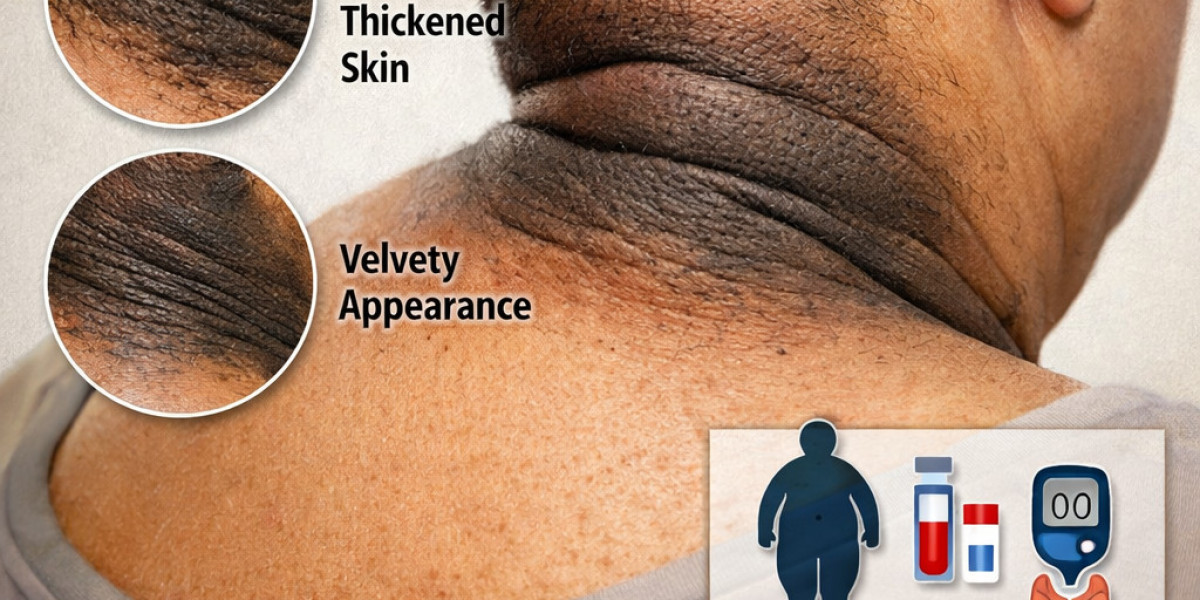
Since Acanthosis Nigricans is strongly linked to obesity and insulin resistance, even modest weight loss can significantly improve skin appearance and underlying metabolic issues.
When to Seek Medical Advice
Consult a healthcare provider if:
Skin changes worsen rapidly
Associated with symptoms of diabetes
Sudden onset without clear cause
Conclusion
A balanced, low-glycemic, nutrient-rich diet is essential in managing Acanthosis Nigricans. Combined with a healthy lifestyle, proper nutrition can help improve insulin sensitivity, promote clearer skin, and enhance overall well-being.