
Almond-Leaved Pear: The Resilient "Wild Pear" of the 2026 Landscape
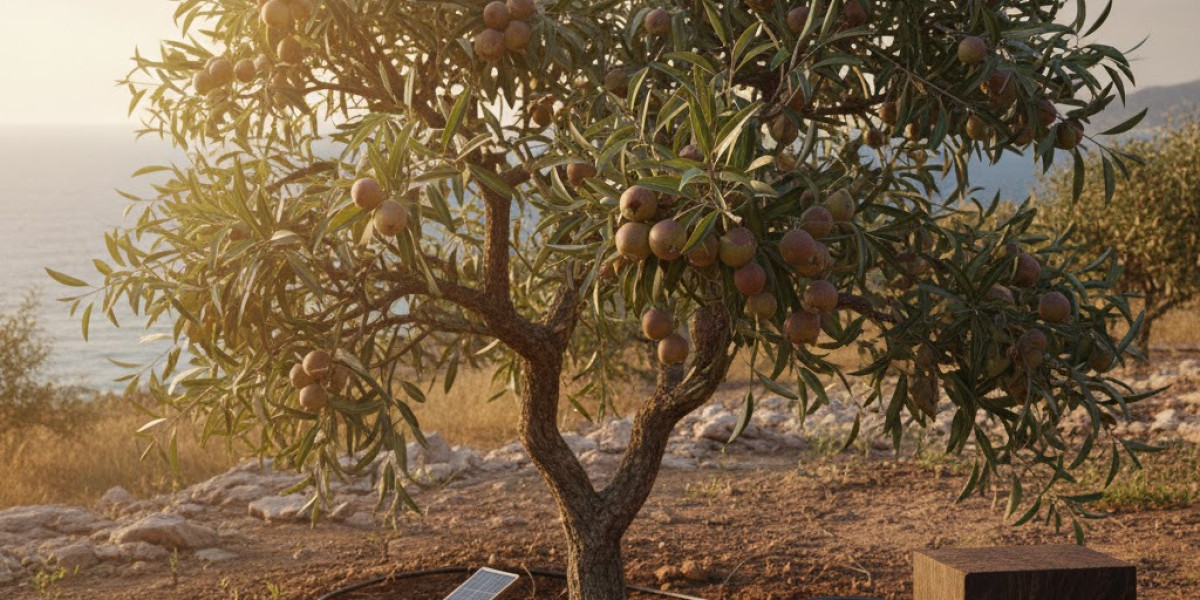
The Almond-leaved pear (Pyrus spinosa, formerly P. amygdaliformis) is a Mediterranean treasure currently stepping out of the wild and into the spotlight of sustainable agribusiness. Known for its distinct, lance-like leaves and spiny branches, this hardy species is a cornerstone of "climate-smart" agriculture in 2026.
1. Cultivation: The Ultimate Stress-Tolerant Tree
In an era of unpredictable weather, the Almond-leaved pear is a farmer's dream for marginal lands.
Hardiness: It is exceptionally drought-tolerant and can survive temperatures as low as -15°C.
Soil Adaptability: Unlike many fruit trees, it thrives in heavy clay, rocky, and calcareous soils.
Modern Trend (2026): Farmers are increasingly using it as a saline-tolerant rootstock. Recent studies have shown that when supplemented with specific soil bacteria (like Bacillus sp.), it can manage high soil salinity, making it perfect for coastal orchard restoration.
Propagation: Best grown from seeds (requiring 8–10 weeks of cold stratification) or used as a robust base for grafting cultivated pear varieties.
2. Harvesting & Culinary Usage
The fruits of the Almond-leaved pear are small, hard, and globose, typically ripening in late autumn (October–November).
The Softening Secret: Fresh off the tree, the fruits are highly astringent. To be edible, they must be "bletted" (allowed to over-ripen until soft) or processed.
Preserves & Syrups: They are a high-pectin source for jams, traditional fruit leathers, and syrups.
Wild Flavoring: In Mediterranean regions, the small fruits are often used to flavor artisanal liqueurs or dried and ground into a "wild pear flour" used in specialty breads.
3. Health Benefits: Nature’s Anti-Inflammatory
The 2026 wellness market is rediscovering wild fruits for their concentrated nutrient density.
Antioxidant Reservoir: The peel contains up to 6x more polyphenols than cultivated varieties. It is rich in chlorogenic acid, rutin, and quercetin.
Digestive Soother: Traditionally used as a sedative for the digestive tract and to treat diarrhea.
Skin & Immunity: High in linoleic acid (in the seeds) and Vitamin C, promoting skin barrier health and immune resilience.
Hangover & Spleen Support: Traditional folk medicine utilizes leaf decoctions to manage fevers and support alcohol detoxification.
4. Agricultural Profitability: Beyond the Fruit
The business of Pyrus spinosa is multi-dimensional, offering revenue streams that go beyond a simple harvest.
| Revenue Stream | Business Opportunity |
| Grafting Rootstock | Supplying nurseries with hardy, drought-resistant bases for commercial pear varieties. |
| Carbon Sequestration | Listed as an excellent species for carbon storage in Mediterranean woodland restoration projects. |
| Agroforestry & Pasture | The spiny branches act as a natural fence for livestock while providing high-quality fodder for wild boars and deer. |
| High-Quality Timber | The wood is dense, heavy, and valuable for fine woodworking and tool handles. |