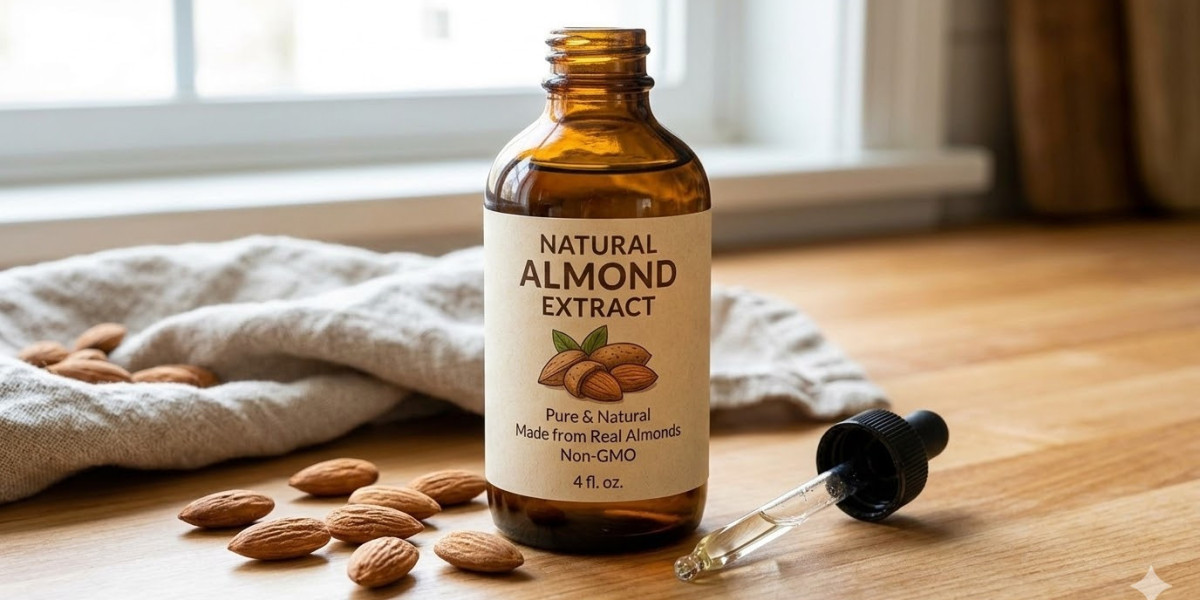

Natural almond extract is one of the most beloved flavoring ingredients used across the world. Known for its sweet, nutty aroma and rich taste, it is widely used in cakes, cookies, desserts, beverages, and confectionery products. Behind this small bottle of flavor lies a fascinating agricultural story involving almond farming, harvesting techniques, and a growing global business.
Derived primarily from the almond tree, Prunus dulcis, natural almond extract connects agriculture with the food processing industry, creating valuable opportunities for farmers, manufacturers, and exporters.
Agricultural Importance of Almond Cultivation
Almond cultivation plays a significant role in modern agriculture because almonds are not only consumed as nuts but are also processed into many value-added products such as almond milk, almond oil, and almond extract.
Almond trees thrive in warm climates with mild winters and plenty of sunshine. These conditions allow the trees to grow healthy blossoms that eventually produce the almond kernels used for extraction.
Several countries dominate almond production, especially:
United States
Spain
Iran
Australia
These regions provide the majority of almonds used for food products and flavoring extracts around the world.
For farmers, almond trees are considered a profitable orchard crop because they produce high-value nuts that can be sold fresh, processed, or exported.
Harvesting Process of Almonds
The journey of natural almond extract begins in almond orchards. Almond trees usually bloom in early spring, filling orchards with beautiful white and pink flowers. Over the following months, these flowers develop into almonds.
Harvesting typically occurs between late summer and early autumn when the outer hull of the almond splits open. Modern harvesting methods involve mechanical tree shakers that gently shake the trees so the almonds fall to the ground.
After collection, the almonds undergo several steps:
Removing the outer hull
Cracking the shell
Drying the kernels
Sorting and grading for quality
These carefully processed almonds are then ready for different industries, including the production of natural almond extract.
How Natural Almond Extract Is Produced
Natural almond extract is made by extracting the essential flavor compounds from almonds or bitter almonds. The extraction process involves combining almond oil with alcohol and water to capture the characteristic aroma.
The compound responsible for the familiar almond fragrance is benzaldehyde, which gives almond extract its signature sweet and nutty scent.
The result is a concentrated liquid flavor that only requires a few drops to enhance baked goods and desserts.
Business Opportunities in the Almond Extract Industry
The demand for natural flavorings has grown significantly in recent years, making almond extract an important product in the global food industry.
It is widely used in:
Bakeries and pastry industries
Ice cream manufacturing
Chocolate and candy production
Beverage flavoring
Food manufacturers prefer natural extracts because consumers increasingly prefer clean-label and natural ingredients instead of artificial flavors.
Entrepreneurs can also create value-added products such as:
Premium baking extracts
Organic almond flavoring
Specialty dessert flavor blends
Gourmet cooking ingredients
These products are sold through supermarkets, online stores, and food supply chains.
Economic Importance for Agriculture
Natural almond extract production supports multiple sectors of the agricultural economy. Farmers benefit from almond cultivation, while food processors, flavor manufacturers, and exporters profit from transforming almonds into value-added products.
As global demand for natural ingredients continues to rise, the almond industry remains one of the most valuable tree-nut markets in the world.
Future Growth and Market Potential
The future of natural almond extract looks promising due to the growing popularity of natural and organic foods. Consumers around the world are paying closer attention to ingredient quality, which increases demand for authentic flavoring extracts.
With the expansion of bakery products, specialty desserts, and artisanal food brands, almond extract will continue to be a key ingredient in the global culinary market.
Conclusion
Natural almond extract represents the perfect combination of agriculture, food science, and global commerce. From almond orchards to bakery kitchens, this aromatic ingredient adds flavor, value, and opportunity to many industries.
As the demand for natural food ingredients grows, almond extract will remain an essential product supporting farmers, food manufacturers, and the worldwide flavor industry.