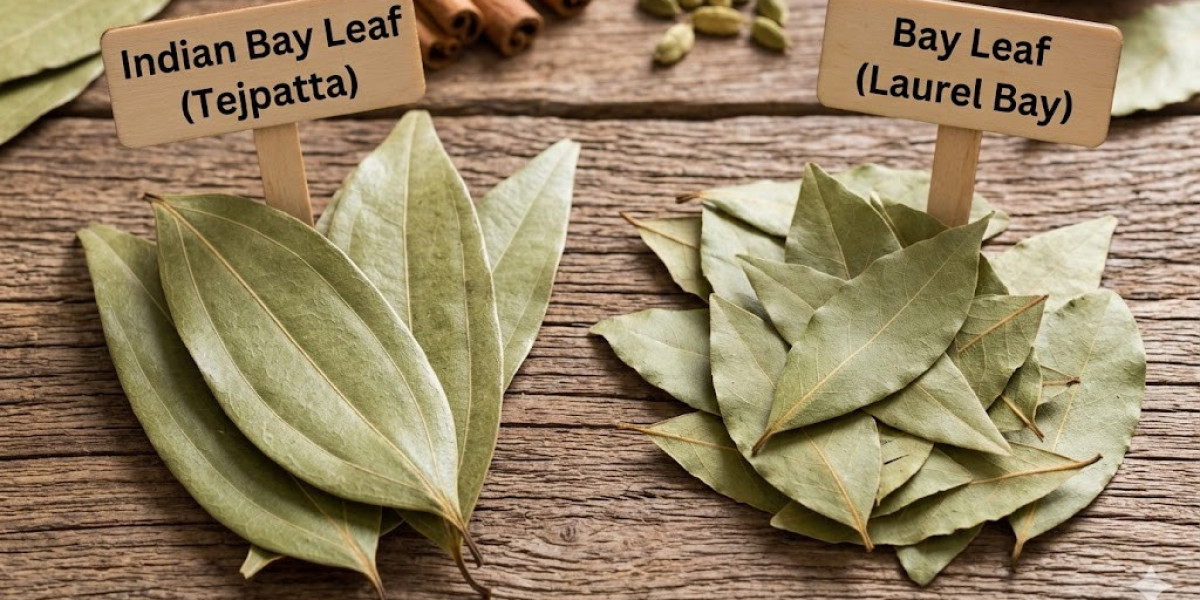

Indian Bay Leaf, commonly known as Tej Patta, is a highly valued aromatic spice widely used in South Asian cuisine, herbal medicine, and spice trade. It holds strong agricultural, economic, and commercial importance, especially for farmers in tropical and subtropical regions.
1. Agricultural Importance
Ideal Growing Conditions
Indian bay leaf trees thrive in:
Warm tropical to subtropical climates
Well-drained fertile soil
Moderate rainfall regions
Partial to full sunlight
They are commonly cultivated in regions like:
India
Nepal
Bhutan
Farming Benefits
Long-life perennial crop
Low maintenance requirements
Suitable for agroforestry systems
Provides year-round income
Bay leaf cultivation is highly beneficial for small farmers because it requires minimal investment after establishment.
2. Role in Sustainable Agriculture
Indian bay leaf farming supports sustainability by:
Preventing soil erosion in hilly areas
Supporting biodiversity
Requiring low chemical fertilizers
Acting as a companion crop in mixed farming
It fits well into organic and eco-friendly agricultural models.
3. Harvesting Process
Growth Cycle
Trees start yielding leaves after 3–4 years
Mature production continues for decades
Harvesting Method
Leaves are hand-picked carefully
Harvested multiple times per year
Mature dark green leaves preferred
Post-Harvest Processing
After harvesting:
Leaves are shade-dried
Sorted by size and quality
Packed for storage and trade
Proper drying helps maintain aroma and prevents fungal growth.
4. Business & Economic Importance
Market Demand
Indian bay leaves are widely used in:
Food and spice industries
Ayurvedic medicine
Essential oil production
Herbal tea products
Demand remains consistently high due to its culinary and medicinal value.
Export Potential
Major export markets include:
United States
United Arab Emirates
United Kingdom
Value-Added Products
Business opportunities include:
Bay leaf powder
Essential oil extraction
Herbal formulations
Packaged premium spice products
These add significant value to raw leaves.
5. Economic Benefits for Farmers
Indian bay leaf cultivation provides:
Long-term stable income
Low labor costs after establishment
High profit margin in spice markets
Export-oriented trade opportunities
It is considered a profitable plantation crop in hilly regions.
6. Future Scope
With growing global demand for:
Natural spices
Organic herbal products
Traditional medicinal ingredients
Indian bay leaf farming has strong future potential in international spice trade and sustainable agriculture.
Conclusion
Indian bay leaf is an economically valuable, sustainable, and long-lasting agricultural crop. Its strong market demand, low cultivation costs, and export opportunities make it an ideal choice for farmers and agribusiness investors.