
Among the vast world of chiles, Aji Panca (Capsicum baccatum) stands in a category of its own. Often referred to as the "Black Pearl" of the Andes, this deep mahogany pepper is less about "burn" and more about "bloom." With a flavor profile that evokes sun-dried raisins, blackberries, and chocolate, it is a staple of Peruvian "Mother Sauces" and a rising star in international fusion cuisine.
In a culinary landscape shifting toward complex, mild flavors, Aji Panca offers a sophisticated alternative to the aggressive heat of more common chiles.
1. Cultivation: The Long-Season Andean Treasure
Aji Panca is a robust grower but requires a commitment to time. Unlike standard annual peppers, this species behaves more like a perennial in warm climates.
Climate Resilience: Ideally suited for USDA zones 8–11. It thrives in sunny, arid conditions with temperatures between 20°C and 30°C.
Seed Starting: Begin seeds indoors 8–12 weeks before the last frost. They are notorious for slow germination, often taking 14–21 days to sprout in warm, moist soil.
Hydroponic Potential: Modern growers are finding success using hydroponic systems to maintain the precise pH of 6.0–6.5 and consistent warmth needed to boost yields by up to 35% compared to field-grown crops.
Spacing: Give these plants room! They grow taller and bushier than bell peppers; a 60 cm gap between plants is recommended to ensure airflow and sunlight penetration.
2. Harvesting: The Mahogany Milestone
The most common mistake with Aji Panca is harvesting too early. The magic happens in the final stage of ripening.
Color Transition: The pods start green, then turn a vibrant red, before finally settling into a deep, dark burgundy (almost black).
Flavor Lock-in: The signature "berry" and "smoky" notes only develop fully at the mahogany stage. Harvesting early results in a grassy, bitter pepper.
Sun-Drying Tradition: Traditionally, these peppers are left to dry on the vine or in the sun. This natural dehydration concentrates the sugars and creates the leathery texture prized for milling into powder.
3. Culinary & Industrial Applications
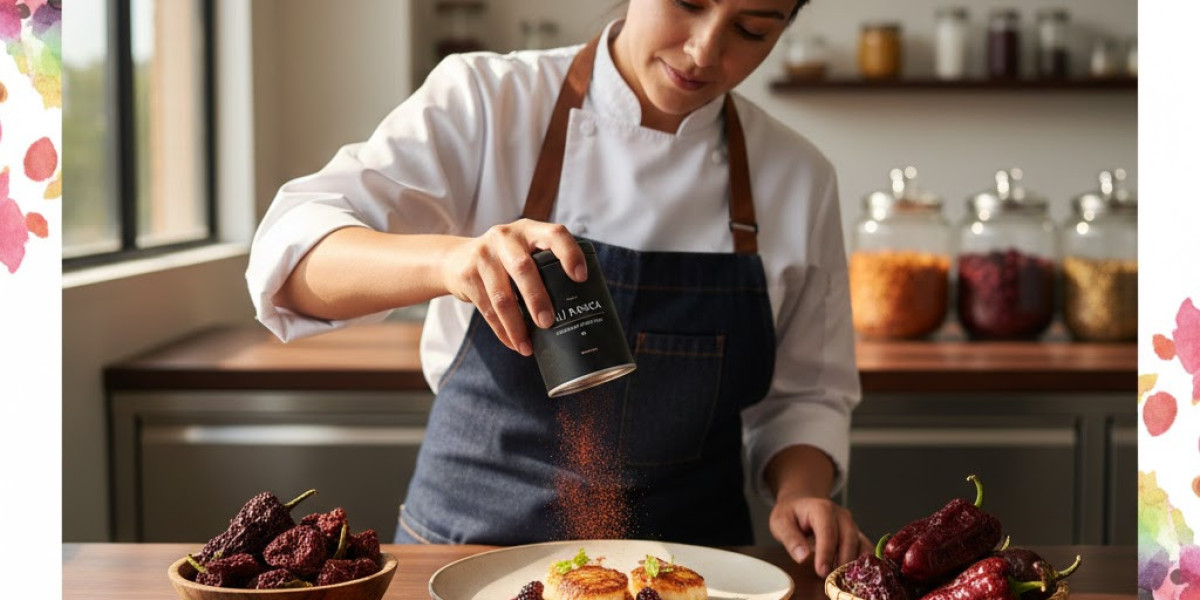
Aji Panca is the secret weapon for chefs looking to add depth without overwhelming the palate.
The Umami Base: In Peru, it forms the "Holy Trinity" of cooking along with red onion and garlic.
Meat & Seafood: Its smoky-sweetness is a natural partner for beef (Anticuchos) and oily fish, cutting through richness with its subtle acidity.
Dessert Innovation: Surprisingly, Aji Panca powder is being used in dark chocolate bars and berry smoothies to add a warm, earthy finish that highlights fruit sugars.
Industrial Extraction: Food manufacturers are increasingly using Panca extracts as a natural coloring agent to achieve rich red-brown hues in sauces without artificial dyes.
4. Agribusiness Economics: The Niche Premium
For the agribusiness entrepreneur, Aji Panca represents a high-margin opportunity in the specialty spice sector.
| Feature | Market Advantage |
| Price Premium | Authentic Aji Panca commands a 20–30% price premium over standard chili powders in gourmet markets. |
| Value Addition | Converting fresh harvest into concentrated paste or fine-milled powder triples the shelf life and significantly increases the ROI. |
| Global Demand | Rising popularity of Peruvian cuisine (voted a top food trend) has created a supply gap in North American and European markets. |
| Health Profile | High in Vitamin C and antioxidants; extract studies show anti-inflammatory properties comparable to common over-the-counter aids. |
5. Quick Sourcing Tips
Authenticity Check: Pure Aji Panca powder should be a dark, uniform burgundy. If it looks bright orange-red, it likely has been cut with annatto or Aji Amarillo.
Aroma Test: It should smell like smoke and raisins. If it smells vinegary or sharp, the drying process was likely rushed.
Conclusion
Aji Panca is more than just a pepper; it is a flavor experience. For farmers, it offers a resilient, high-value crop that taps into the growing demand for "clean-label" and ethnic flavors. For the cook, it is the key to unlocking the deep, smoky soul of South American cuisine.
Would you like me to help you design a commercial planting layout for a high-density pepper farm or a product label for artisanal Aji Panca powder?