
Asafoetida, known globally as Hing, is currently one of the most profitable niche commodities in the spice world. As food industries pivot toward natural, functional ingredients, this pungent resin—harvested from the roots of the Ferula plant—is seeing a massive surge in market value.
Historically an import-heavy spice, new breakthroughs in cold-desert cultivation and high-tech compounding have opened doors for local farmers and agropreneurs to capture significant margins.
1. Cultivation: The High-Altitude "Patience Crop"
Growing Asafoetida is not for those seeking quick returns; it is a long-term investment that rewards the disciplined farmer.
Climate Match: It thrives in cold, arid, high-altitude regions (altitudes of 3,500m+ are ideal). It requires a distinct dormant period during winter and a dry, sunny growing season.
Soil & Drainage: The absolute rule for Hing is well-drained soil. It prefers sandy-loam or rocky terrain. Waterlogging is the #1 cause of crop failure, as it rots the precious taproots.
The Maturity Timeline: The plant requires 4 to 5 years of growth before the resin concentration is high enough for a commercial harvest.
2. The Harvest: Tapping into "Milk"
Harvesting Hing is a technical skill that blends agriculture with chemistry.
Timing: Tapping occurs in early spring, just before the plant enters its flowering stage.
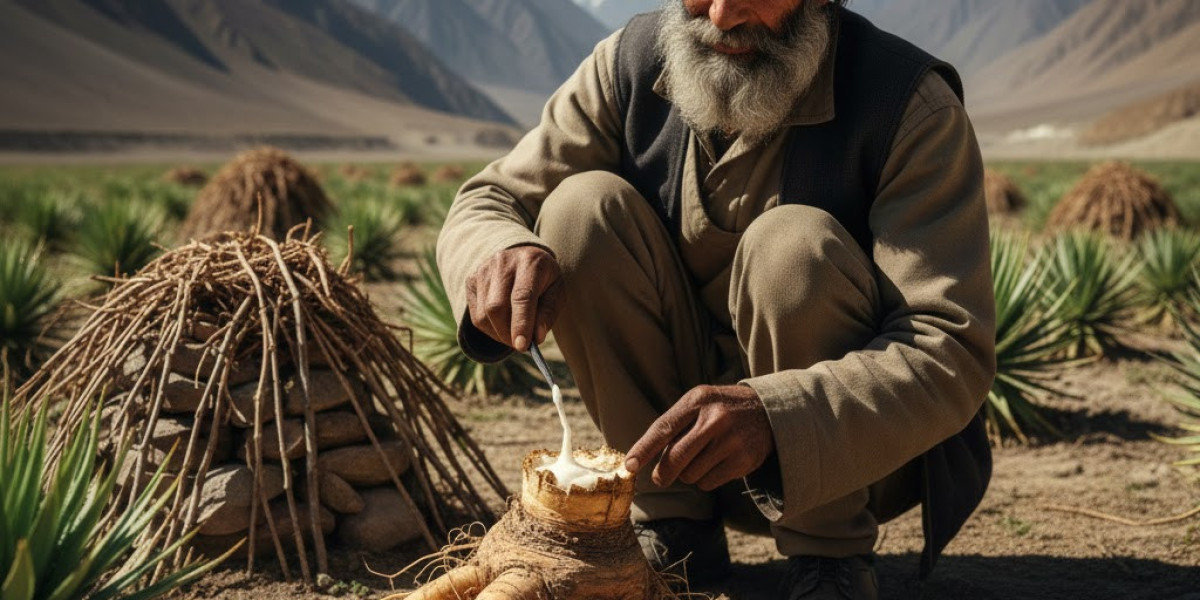
The Incision: The upper part of the thick, carrot-like taproot is exposed, and a small slice is made.
Exudation: A milky latex oozes out and hardens into a resin upon contact with air.
Collection: This "Red Gold" is scraped off every few days. A healthy plant can be tapped several times in a single season, producing high-purity resin lumps.
3. Beyond the Kitchen: Industry & Market Usage
In the current market, Asafoetida is valued for more than just its culinary "zing."
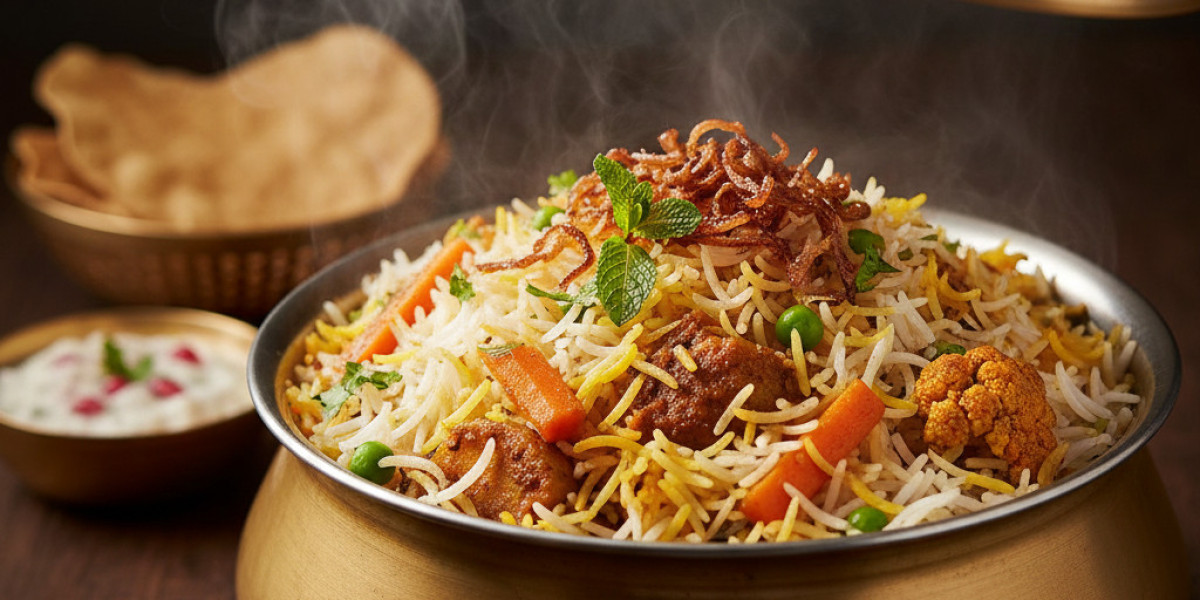
The Allium Alternative: With the rise of Low-FODMAP and Jain diets, Hing is the global go-to replacement for garlic and onion, providing a savory umami base without the digestive triggers.
Pharmaceutical Power: Its high ferulic acid content makes it a staple in respiratory aids and anti-spasmodic digestive supplements.
Cosmetic Innovations: Its antimicrobial properties are increasingly used in organic skincare for treating acne and fungal infections.
4. Agribusiness Profitability & ROI
The economics of Hing are built on its rarity and high demand-to-volume ratio.
| Factor | Business Benefit |
| High Unit Value | Pure resin is one of the world's most expensive spices by weight. |
| Low Perishability | Dried resin and compounded powder have a shelf life of 2–3 years, allowing for strategic selling. |
| Value Addition | Converting raw resin into "Compounded Hing" (blended with flour and oils) significantly increases the volume for retail. |
| Import Substitution | Many countries, including India, are aggressively supporting local cultivation to reduce multi-million dollar import bills. |
5. Strategic Tips for Market Entry
Standardize Quality: Modern buyers demand a Certificate of Analysis (COA). Focus on maintaining a coumarin content of 10–20% for premium pricing.
Odor-Controlled Packaging: Investing in vacuum-sealed, nitrogen-flushed packaging prevents the sulfurous aroma from escaping and preserves the volatile oils.
Organic Certification: Certified organic Hing commands a 30%–40% premium in Western wellness markets.
Conclusion
Asafoetida is a "slow-burn" investment that offers some of the highest rewards in the botanical world. By mastering the 5-year growth cycle and implementing standardized tapping techniques, farmers can transition from traditional crops to a high-demand global commodity.