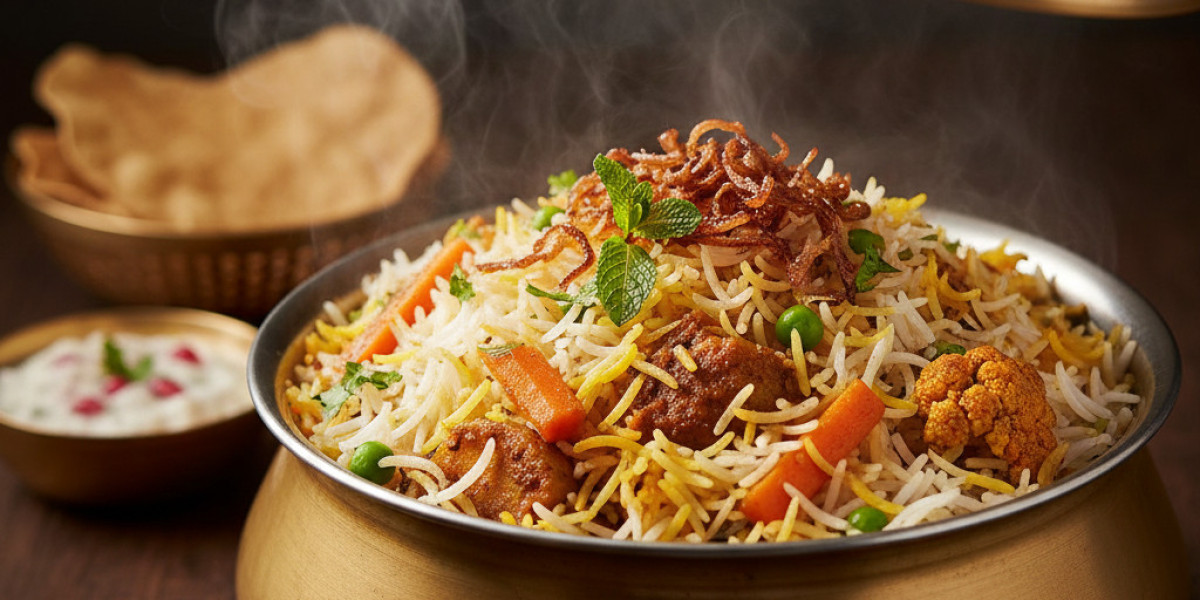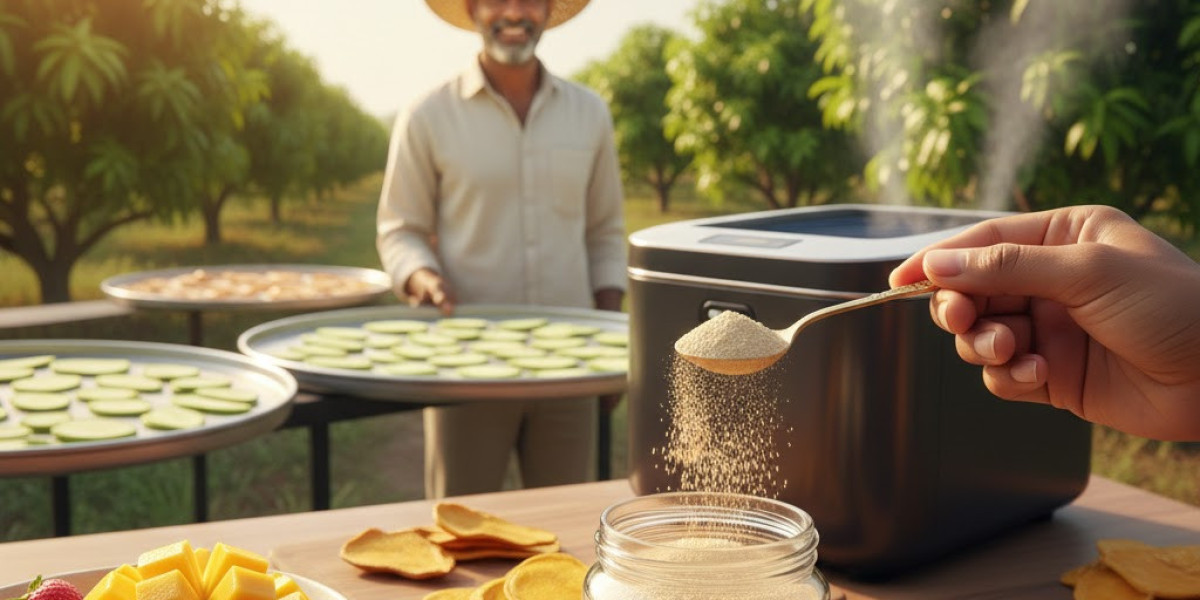

In the evolving global spice market of 2026, Amchoor has graduated from a regional Indian staple to a high-demand industrial commodity. As food manufacturers pivot toward "Clean Label" ingredients, this tangy, fruity powder is replacing synthetic acidulants and moisture-heavy liquids like vinegar.
For the modern entrepreneur, Amchoor represents a unique convergence of zero-waste farming and high-margin food processing.
1. The 2026 Market Shift: Why Amchoor is Booming
The global agribusiness market is projected to grow to $142 billion in 2026, with specialty spices like Amchoor leading the charge. Two key trends are driving this:
The "Salt-Saver" Strategy: With global health initiatives pushing for reduced sodium, Amchoor is being used as a natural flavor enhancer that mimics the "zing" of salt without the cardiovascular risks.
The Rise of Dry-Processed Foods: From protein-rich plant-based snacks to dehydrated "cup-noodles," Amchoor provides acidity without adding moisture—critical for extending the shelf life of processed foods without chemical preservatives.
2. Agricultural Profitability: Turning "Early Drops" into Gold
One of the greatest risks in mango farming is the "premature fruit drop" caused by wind or over-crowded branches. Traditionally, these fallen green mangoes were a loss; today, they are the primary raw material for Amchoor.
The Profitability Breakdown (Estimated)
| Business Stage | Cost/Investment | Revenue Potential |
| Sourcing Raw Mango | Low (Often utilizes surplus/unripe fruit) | High (Upcycled value) |
| Solar Processing | Medium (Hybrid dehydrators) | High (Standardized export quality) |
| Artisanal Retail | Low (Direct-to-Consumer) | Premium (300% markup on bulk) |
Pro-Tip for 2026: In the current climate, "Solar-Dried" branding allows for a 20% price premium. Using renewable energy for dehydration appeals to the ESG (Environmental, Social, and Governance) requirements of major European and North American importers.
3. Health & Wellness: The Functional Food Angle
In 2026, Amchoor is increasingly marketed as a Nutraceutical. Its biochemical profile is a major selling point:
Digestive Fire (Agni): Rich in proteolytic enzymes that break down heavy proteins and carbohydrates, making it a favorite for "Gut-Friendly" product lines.
Iron Bioavailability: The high Vitamin C content in Amchoor significantly increases the absorption of non-heme iron from plant-based foods like lentils and spinach.
Weight Management: Naturally low in calories and carbohydrates, it is the perfect seasoning for the Keto and Paleo markets.
4. Usage Innovation: Beyond the Curry
How are businesses using Amchoor in 2026? Look for these "Blue Ocean" opportunities:
The Mocktail Movement: Mixologists use Amchoor-salt rims for non-alcoholic drinks to provide a sophisticated, acidic depth.
Natural Meat Tenderizer: Because of its enzymatic properties, it is being used in high-end jerky and clean-label marinades.
Skincare & Detox: Amchoor’s antioxidants (Vitamin A and E) are finding their way into natural face masks and "detox" tea blends.
5. Strategic Roadmap for Entrepreneurs
Standardize Your Color: The 2026 market demands a pale beige color. Avoid over-exposure to direct sunlight, which turns the powder brown and bitter.
Verify Organic Status: Pesticide-free certification is the "Golden Ticket" for exporting to the EU and USA.
Invest in Packaging: Use nitrogen-flushed, opaque packaging. Amchoor is highly hygroscopic (it absorbs moisture) and light-sensitive.
Conclusion
Amchoor is more than just "mango dust." It is a solution to the modern food industry's biggest challenges: waste reduction, sodium replacement, and clean-label acidity. Whether you are a farmer looking to maximize your orchard's yield or a brand owner seeking the next trending superfood, Amchoor is a tangy path to profitability.