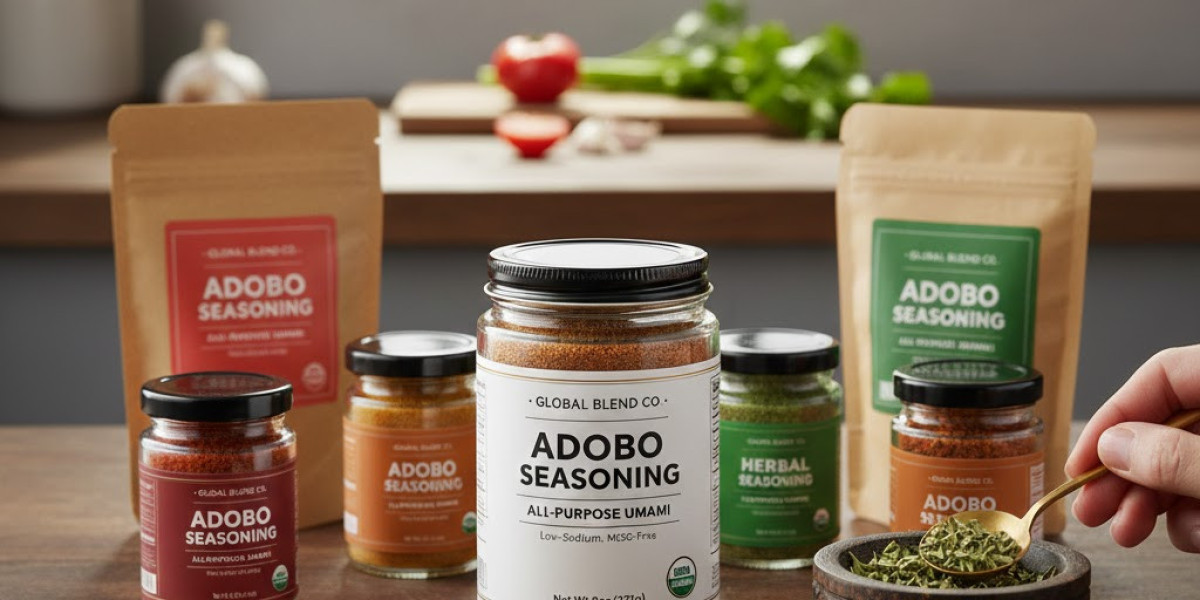

In the competitive world of specialty foods, few products offer the same blend of cultural heritage and high profit margins as Adobo Seasoning. As we move through 2026, the global seasoning market is projected to reach nearly $31 billion, driven by a massive surge in demand for ethnic flavors and "clean-label" convenience.
For the modern agropreneur, Adobo isn't just a kitchen staple—it’s a strategic entry point into a lucrative industry.
The Economics of Adobo Seasoning
The business of spice blending is one of the rare sectors where you can start small and scale rapidly. Adobo, being an "all-purpose" blend, enjoys a much higher turnover rate than single-origin spices.
Why the Profit Margins are High:
Low Ingredient Cost: Core components like garlic powder, onion powder, and salt are inexpensive when sourced in bulk.
Value Addition: By professionally blending these basics with high-quality oregano and black pepper, the perceived value increases by 200% to 500%.
Packaging Efficiency: Dry spices have a long shelf life, reducing waste (spoilage) and allowing for more efficient logistics compared to fresh produce.
2026 Market Trends: The "Clean-Label" Revolution
Today’s consumers are more health-conscious than ever. This shift has created several high-value "gaps" in the Adobo market:
The Low-Sodium Niche: Standard commercial Adobo can contain up to 50% salt. Brands that offer Low-Sodium or Pink Himalayan Salt versions are capturing the premium wellness market.
Organic & Traceable: Modern buyers want to know where their garlic and cumin come from. Using blockchain or QR codes on packaging to prove origin can justify a 30% price premium.
The "MSG-Free" Standard: While MSG is a traditional flavor enhancer, the 2026 market demands natural umami alternatives like mushroom powder or nutritional yeast.
Strategic Business Entry Points
| Business Model | Estimated Startup Cost | Profit Potential |
| Direct-to-Consumer (D2C) | Low (E-commerce/Social) | High (Full control over pricing) |
| White Label / Private Label | Medium | Scalable (Supplying restaurants/stores) |
| Gourmet/Boutique Blends | Low to Medium | Premium (Artisanal packaging & niche flavors) |
Roadmap to Launching Your Adobo Brand
1. Identify Your Regional Hook
Will you focus on the garlic-heavy Caribbean style or the cumin-and-citrus notes of Mexican Adobo? Choosing a specific regional profile helps you target the right demographic.
2. Sourcing & Quality Control
In 2026, the "fastest-growing" category is organic seasonings. Partner with certified spice growers to ensure your blend is free from pesticides and fillers. High-quality Mexican Oregano and Vietnamese Black Pepper can make your brand stand out.
3. Packaging & Branding
Invest in sustainable, airtight packaging. Glass jars or compostable pouches appeal to the eco-conscious consumer. Your label should clearly state "Non-GMO" or "Gluten-Free" to meet current retail standards.
4. Distribution Channels
Don't just look at grocery shelves. In the current economy, subscription boxes and Amazon FBA are the most efficient ways to reach global fans of Latin and Filipino cuisine.
Conclusion
Adobo Seasoning is the "Goldilocks" of the spice world: it’s easy to make, cheap to source, and in high demand globally. By focusing on quality and modern health trends, you can turn this simple blend into a thriving, scalable business.