
? The Art of Partial Oxidation
Oolong tea isn't just a type of tea; it's a craft. What makes it unique is its partial oxidation process, which places it squarely between unoxidized green teas and fully oxidized black teas.
The Oolong Spectrum
Lightly Oxidized Oolong (10-30%): Closer to green tea, these often have bright, floral, creamy, or fresh grassy notes. Think high-mountain Taiwanese Oolongs like High Mountain Gaoshan.
Moderately Oxidized Oolong (30-60%): These strike a beautiful balance, offering fruity, honeyed, or nutty profiles. Many Fujian Oolongs fall into this category.
Heavily Oxidized Oolong (60-80%): Nearing black tea, these are darker, roastier, and often have malty or even chocolatey notes. Wuyi Mountain Oolongs (Yancha) are famous for this style.
The precise degree of oxidation is a closely guarded secret of each tea master, defining the tea's unique character.
⛰️ Where Oolong Comes From
Oolong tea originates primarily from two regions in China and Taiwan, each with its distinctive styles:
Fujian Province, China: Home to the famous Wuyi Rock Oolongs (Yancha) like Da Hong Pao (Big Red Robe), known for their mineral richness and robust character.
Guangdong Province, China: Producer of Dan Cong Oolongs, often called "single bush" teas, which mimic natural fruit or flower aromas without additives.
Taiwan: Celebrated for its high-mountain Oolongs, often light and fragrant with creamy or buttery notes, such as Dong Ding and Ali Shan.
✨ Beyond the Brew: The Benefits
Oolong tea offers a delightful array of potential health benefits, often sharing properties with both green and black teas.
| Benefit | How it Helps |
| Metabolic Boost | Contains catechins and caffeine that may aid in fat oxidation. |
| Heart Health | Studies suggest it may help reduce cholesterol and improve cardiovascular health. |
| Antioxidant Power | Rich in polyphenols that combat free radicals and support cellular health. |
| Mental Alertness | L-Theanine and caffeine provide a focused, calm energy without jitters. |
| Bone Health | Some research indicates potential benefits for bone density. |
? Mastering the Oolong Steep
To truly appreciate Oolong, consider the traditional Gongfu Cha brewing method, which involves multiple short infusions.
Water Temperature: Varies by oxidation level:
Light Oolongs: 85-90°C (185-195°F)
Dark Oolongs: 95-100°C (205-212°F)
Leaf Quantity: Use a generous amount of leaves, typically 5-7 grams per 100ml of water. Oolongs are meant for multiple infusions!
Steep Time:
First Infusion: 20-30 seconds (often rinsed quickly and discarded to "awaken" the leaves).
Subsequent Infusions: Start with 30-45 seconds and increase by 10-15 seconds for each following brew.
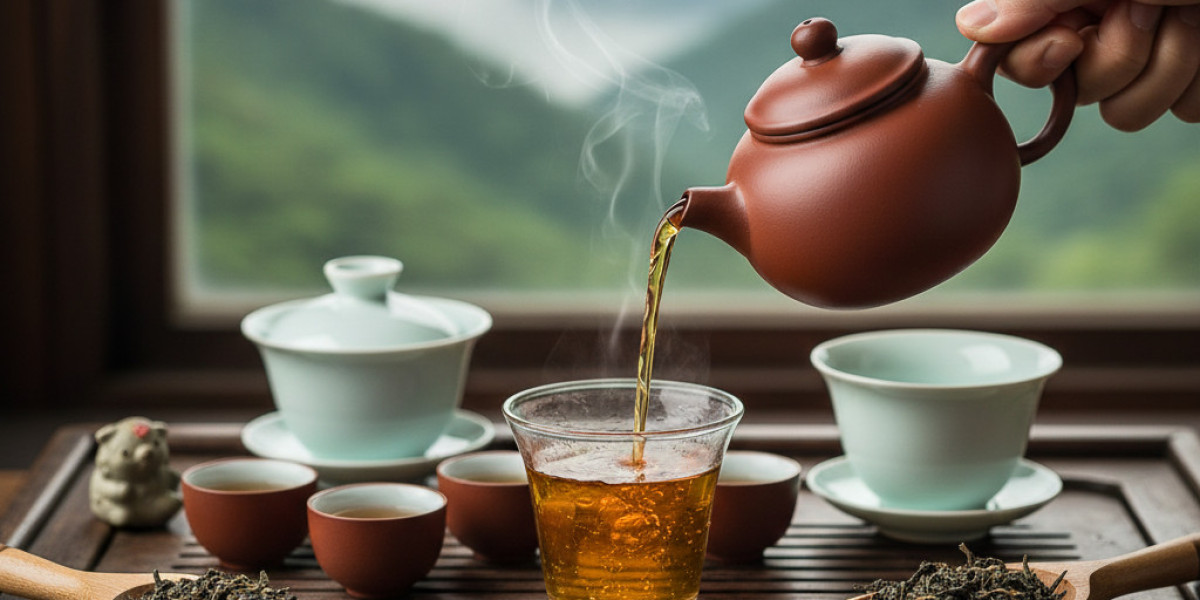
The Vessel: A small Yixing clay teapot or a gaiwan is ideal for Gongfu brewing, allowing the leaves to unfurl fully and reveal their evolving flavors.
Oolong tea is a journey in a cup, a testament to the intricate dance between nature and human artistry. Each sip invites you to explore its layers and appreciate the subtle differences that make it so captivating.