
If you’ve ever walked through a Levantine spice market, you’ve smelled it: a heady, earthy, and citrusy aroma that instantly awakens the senses. That’s Za’atar (pronounced ZAH-tar).
Once a well-kept secret of Middle Eastern kitchens, this "magic" spice blend is now taking the global culinary world by storm. But what exactly is in it, and how do you use it? In this guide, we’re diving into everything you need to know about Za’atar.
What is Za’atar Spice?
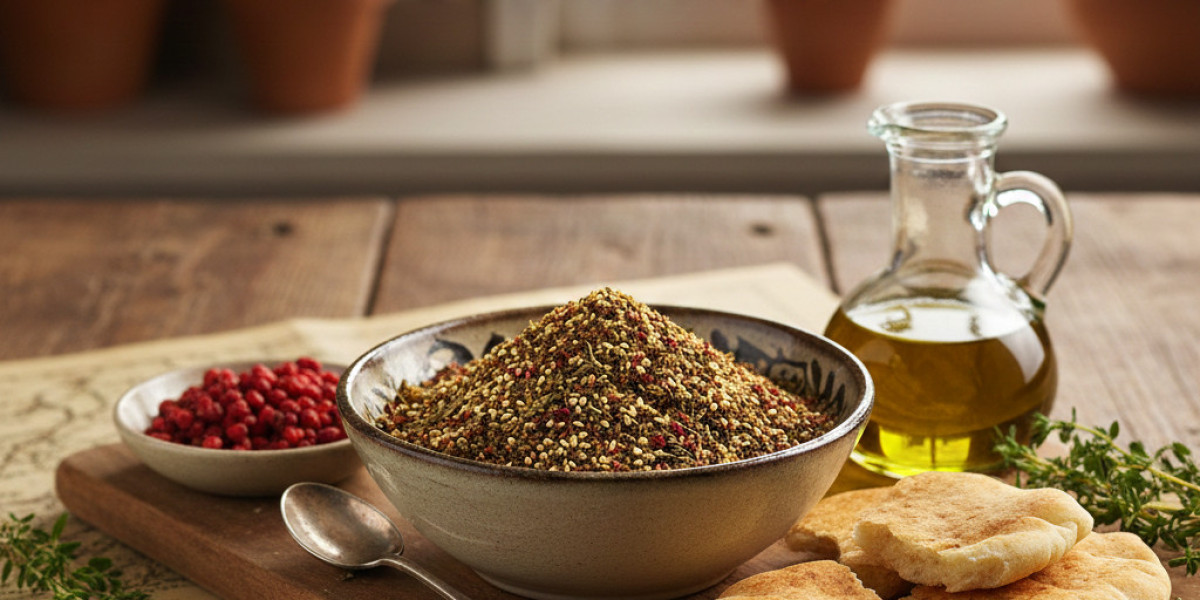
At its core, Za’atar is both the name of a specific herb (a wild variety of thyme or oregano native to the Levant) and the name of the seasoning blend made from it. While every family has their own "secret" ratio, a classic Za’atar recipe typically includes:
* Dried Thyme or Oregano: Providing an earthy, slightly minty base.
* Toasted Sesame Seeds: Adding a rich, nutty crunch.
* Sumac: The secret weapon! This ground red berry gives the blend its signature tangy, lemony zing.
* Salt: To harmonize and elevate all the flavors.
The Health Benefits of Za’atar
Beyond its incredible flavor, Za’atar has been used for centuries in traditional medicine. It’s more than just a seasoning; it’s a nutritional powerhouse.
* Rich in Antioxidants: Thanks to sumac and thyme, Za’atar is packed with flavonoids that help fight inflammation.
* Boosts Immunity: The herbs in the blend have natural antifungal and antibacterial properties.
* Brain Food: In many Middle Eastern cultures, children are encouraged to eat Za’atar before school because it’s traditionally believed to improve memory and mental alertness.
* Digestive Aid: It has been used for generations to soothe the stomach and support gut health.
How to Use Za’atar in Your Kitchen
The beauty of Za’atar lies in its versatility. It’s one of the few spices that works just as well at breakfast as it does at dinner. Here are five ways to use it today:
* The Classic Dip: Mix Za’atar with high-quality extra virgin olive oil and dip warm pita bread into it. This is the "soul food" of the Middle East.
* Manakish (Za’atar Pizza): Spread the oil-and-spice mixture over flatbread dough and bake until golden.
* Roasted Vegetables: Toss carrots, cauliflower, or potatoes in Za’atar before roasting for an instant flavor upgrade.
* Protein Rub: Use it as a dry rub for roast chicken, grilled lamb, or even seared tofu.
* The Perfect Garnish: Sprinkle it over hummus, labneh (strained yogurt), or avocado toast for a pop of color and flavor.
How to Store Your Spice Blend
Because Za’atar contains sesame seeds (which contain oils), it can go rancid if left in the sun or heat. To keep your Za’atar fresh:
* Store it in an airtight container.
* Keep it in a cool, dark place (like a pantry).
* For maximum freshness, try to use it within 3–6 months.
Ready to Spice Up Your Life?
Whether you’re a seasoned chef or a kitchen novice, Za’atar is the easiest way to bring authentic, vibrant Mediterranean flavors to your table.