
? What Exactly Is Jasmine Tea?
Contrary to popular belief, jasmine tea isn't usually a "herbal" tea. Most jasmine tea is a scented tea, where high-quality tea leaves (usually green, but sometimes white or black) are infused with the aroma of fresh jasmine flowers.
The Art of Scenting
The traditional process is a labor of love:
Harvesting: Jasmine buds are picked in the heat of the afternoon when they are tightly closed.
Blooming: As night falls and the flowers open, they are layered over tea leaves.
Absorption: Tea leaves are naturally absorbent; they "inhale" the essential oils of the flowers overnight.
Repetition: This process can be repeated up to seven times for "Imperial" grades to ensure a deep, lasting fragrance.
✨ Why You’ll Love It (Beyond the Taste)
Jasmine tea isn't just a treat for your senses; it’s a powerhouse for your well-being.
| Benefit | How it Works |
| Stress Relief | The scent of jasmine has a mild sedative effect, helping to lower your heart rate and soothe the nervous system. |
| Antioxidant Rich | Since it's usually based on green tea, it’s packed with catechins that fight cellular damage. |
| Metabolic Boost | The combination of caffeine and EGCG can subtly help your body burn energy more efficiently. |
| Heart Health | Regular consumption is linked to lower "bad" LDL cholesterol levels. |
? Brewing the Perfect Cup
To avoid bitterness and keep the floral notes delicate, follow these simple rules:
Water Temperature: Aim for 80°C (175°F). Boiling water can scorched the delicate green tea leaves.
Steep Time: Be patient but brief. 2 to 3 minutes is the sweet spot.
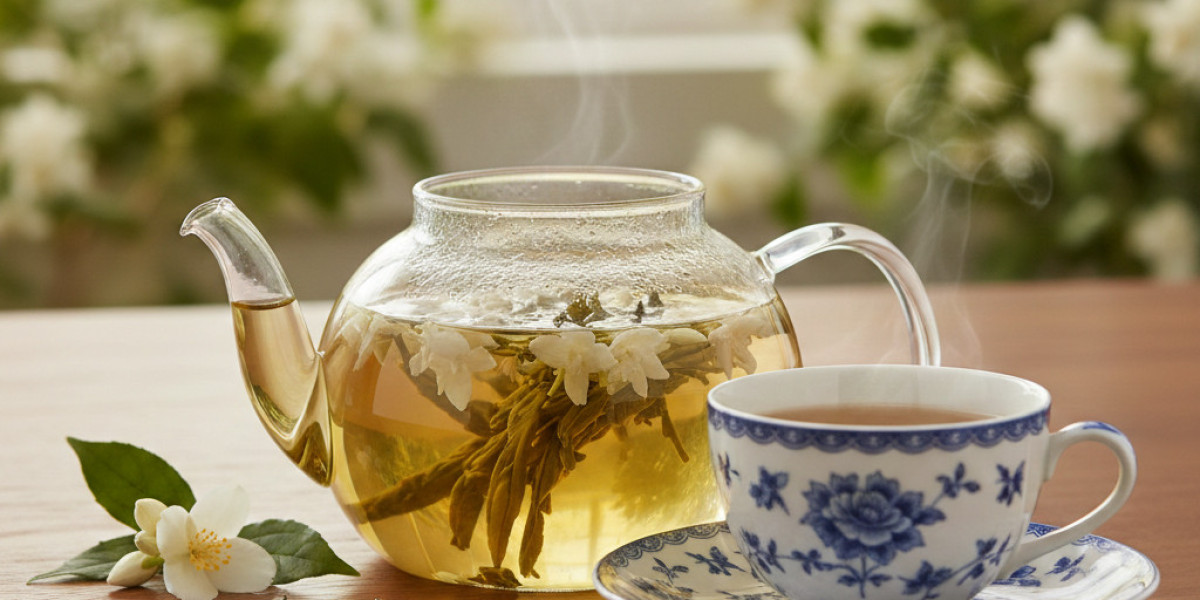
The Vessel: Use a glass teapot if you’re brewing Jasmine Pearls—watching the hand-rolled "pearls" unfurl into full leaves is a meditative experience.
Pro Tip: High-quality jasmine tea can often be steeped 2 or 3 times. Each "infusion" will reveal different layers of flavor, moving from floral to more earthy.