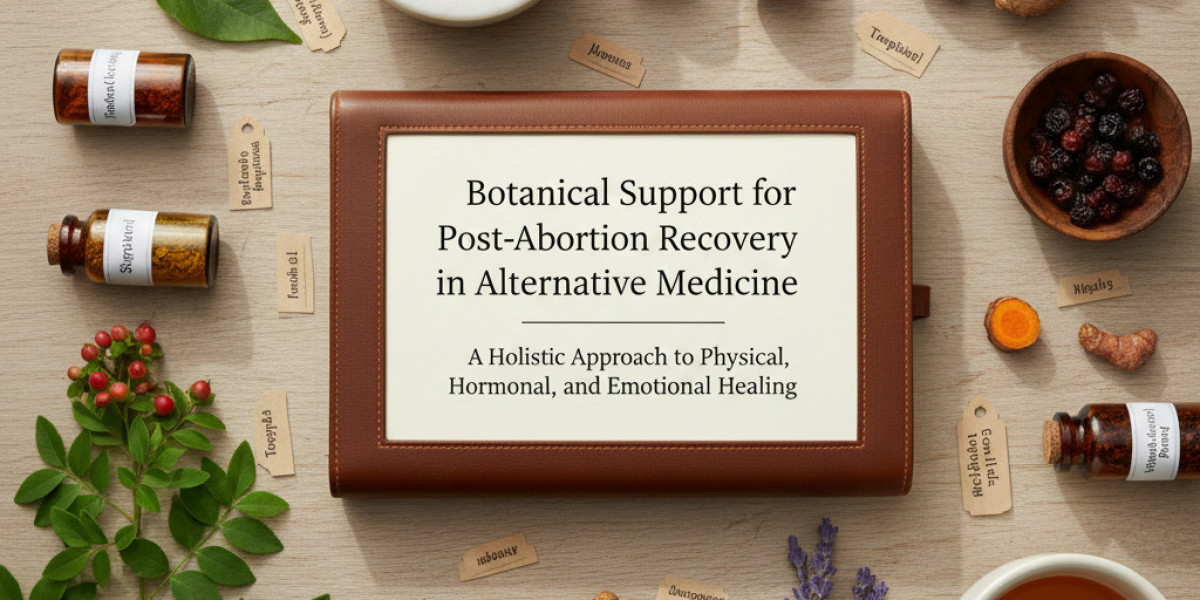

A Holistic Approach to Physical, Hormonal, and Emotional Healing
Introduction
Post-abortion recovery is not limited to the uterus alone. Whether spontaneous (miscarriage) or medically induced, abortion brings systemic changes—hormonal, immunological, neurological, and emotional—that affect the entire body.
In alternative medicine, recovery is viewed as a whole-person process, focusing not just on symptom relief but on restoring balance, vitality, and long-term health. Botanical medicine plays a vital role in supporting this natural healing journey.
This article explores botanical support for post-abortion recovery, with special attention to its impact on ENT health, dental health, the endocrine system, emotional wellbeing, and overall vitality.
Understanding Post-Abortion Changes in the Body
1. Hormonal & Endocrine Imbalance
After abortion, there is a sudden drop in:
Estrogen
Progesterone
hCG
This abrupt shift can disturb the hypothalamic-pituitary-ovarian (HPO) axis, leading to:
Irregular periods
Fatigue
Hair fall
Mood swings
Thyroid fluctuations
Insulin resistance in susceptible women
2. Immune System Fluctuations
Pregnancy naturally suppresses immunity. After abortion, the immune system rebounds, sometimes excessively, increasing the risk of:
Infections
Autoimmune flare-ups
Chronic inflammation
3. Emotional & Nervous System Impact
Even when abortion is medically indicated, women may experience:
Grief or guilt
Anxiety or depression
Sleep disturbances
Reduced stress tolerance
These emotional changes directly influence hormonal balance and physical recovery.
ENT Health After Abortion: An Overlooked Connection
Hormonal changes affect mucosal tissues, including those of the:
Nose
Sinuses
Throat
Eustachian tube
Common ENT Issues Post-Abortion
Recurrent sinusitis
Nasal dryness or congestion
Throat irritation
Voice fatigue
Allergic flare-ups
Botanical Support for ENT Recovery
Glycyrrhiza glabra (Licorice) – Soothes inflamed mucosa, supports adrenal health
Curcuma longa (Turmeric) – Anti-inflammatory, immune-modulating
Ocimum sanctum (Tulsi) – Enhances respiratory immunity and reduces stress-related inflammation
Zingiber officinale (Ginger) – Improves circulation and reduces congestion
These botanicals help restore mucosal integrity while supporting systemic healing.
Dental & Oral Health Changes Post-Abortion
Hormonal imbalance can weaken gum tissue and oral immunity, leading to:
Gum bleeding
Gingivitis
Mouth ulcers
Dental sensitivity
Increased risk of infections
Botanical Support for Oral & Dental Health
Azadirachta indica (Neem) – Antimicrobial, supports gum health
Terminalia chebula (Haritaki) – Strengthens oral tissues, detoxifies
Salvadora persica (Miswak) – Improves dental hygiene naturally
Triphala – Reduces inflammation and supports oral microbiome
Healthy digestion and detoxification are essential for strong teeth and gums—something botanical medicine addresses at the root level.
Supporting the Endocrine System with Botanicals
Key Endocrine Concerns Post-Abortion
Thyroid imbalance
Adrenal fatigue
Ovarian dysfunction
Insulin resistance
Botanical Endocrine Support
Withania somnifera (Ashwagandha) – Balances cortisol, supports thyroid and ovaries
Asparagus racemosus (Shatavari) – Nourishes the female reproductive system
Tinospora cordifolia (Guduchi) – Immune-endocrine modulator
Cinnamon & Fenugreek – Improve insulin sensitivity
These herbs help re-establish hormonal rhythm rather than forcing hormonal correction.
Uterine & Reproductive System Healing
Botanicals play a central role in:
Reducing uterine inflammation
Preventing infections
Supporting healthy menstruation
Preparing the body for future fertility
Commonly Used Botanicals
Shatavari – Uterine tonic
Lodhra (Symplocos racemosa) – Controls abnormal bleeding
Ashoka (Saraca indica) – Strengthens endometrial health
Manjistha (Rubia cordifolia) – Blood purifier and anti-inflammatory
Emotional Healing & Nervous System Support
Emotional recovery is equally important. Botanical medicine addresses the mind-body axis gently.
Helpful Botanicals
Brahmi (Bacopa monnieri) – Improves mental clarity and emotional stability
Jatamansi – Reduces anxiety and promotes restful sleep
Lavender & Chamomile – Calm the nervous system
Ashwagandha – Reduces stress-induced hormonal imbalance
Integrative Approach in Alternative Medicine Practice
As an alternative medicine practitioner, post-abortion care should include:
Botanical therapy
Dietary guidance
Lifestyle modification
Emotional counseling
Gut and liver detox support
This integrative, patient-centered approach not only improves outcomes but builds long-term trust and loyalty.
How This Approach Supports Practice Growth
Offering holistic post-abortion recovery care:
Addresses an underserved area in women’s health
Encourages long-term patient relationships
Positions your clinic as a compassionate healing space
Promotes referrals through patient satisfaction
Builds authority in integrative women’s healthcare
Conclusion
Post-abortion recovery is not just about physical healing—it is about restoring balance across the body systems, including ENT health, dental integrity, endocrine harmony, and emotional wellbeing.
Botanical medicine, when used responsibly and holistically, offers gentle yet powerful support during this sensitive phase. By integrating traditional wisdom with modern understanding, alternative medicine practitioners can provide complete, ethical, and compassionate care—supporting both patient healing and sustainable practice growth.