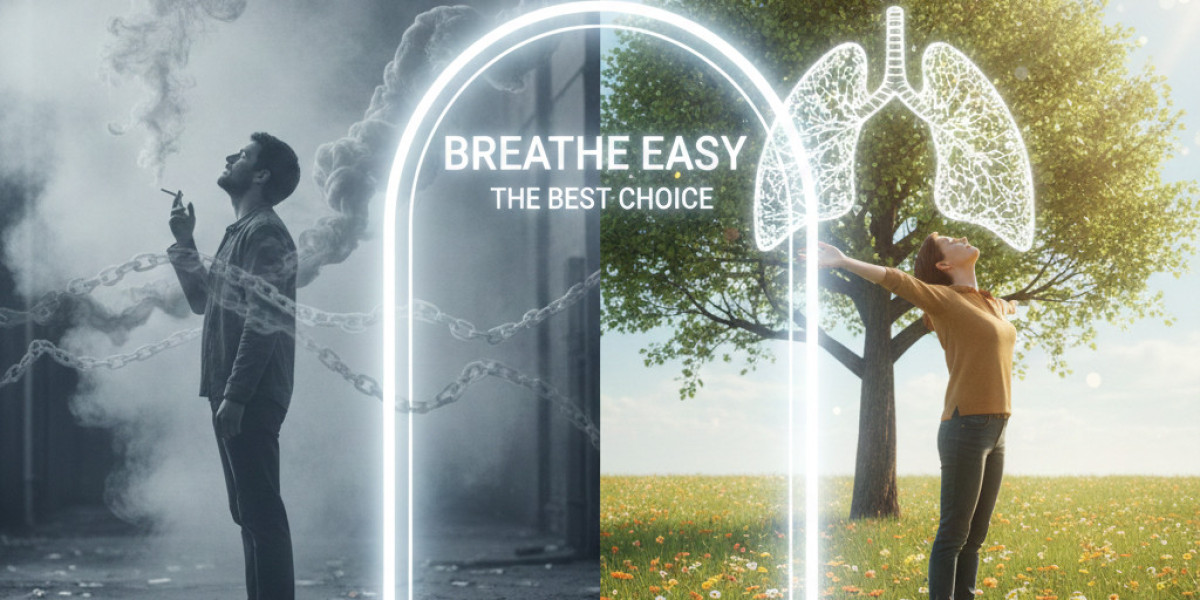

Smoking is one of the toughest habits to break, but it’s also one of the most impactful choices you can make for your health. Every puff introduces a cocktail of over 7,000 chemicals, including hundreds that are toxic and at least 69 that cause cancer.
The good news? Your body starts healing almost immediately after your last cigarette. It's never too late to quit, and you don't have to do it alone.
Why You Absolutely Should Quit (The Immediate & Long-Term Benefits)
The reasons to quit are compelling and affect every part of your life:
Within 20 Minutes: Your heart rate and blood pressure drop.
Within 12 Hours: The carbon monoxide level in your blood drops to normal.
Within 2-12 Weeks: Your circulation improves, and your lung function increases.
Within 1 Year: Your risk of coronary heart disease is about half that of a smoker.
Within 5-10 Years: Your risk of stroke becomes the same as a non-smoker.
Within 10 Years: Your risk of lung cancer falls to about half that of a smoker.
Beyond Health: You'll save a significant amount of money, improve your sense of taste and smell, have healthier skin, and enjoy fresher breath.
Ready to Quit? Here's Your Action Plan:
Quitting cold turkey works for some, but most people find success with a structured approach.
1. Set a "Quit Date":
* Choose a specific day within the next 1-2 weeks. This gives you time to prepare mentally and practically.
* Mark it on your calendar and tell friends/family about it for accountability.
2. Identify Your Triggers:
* What situations, emotions, or activities make you want to smoke? (e.g., after coffee, while stressed, with certain friends, after meals).
* Make a list of these triggers so you can plan alternative actions.
3. Seek Support (Crucial!):
* Friends & Family: Let them know your plan and ask for their support and understanding.
* Support Groups: Online forums or local groups offer shared experiences and encouragement.
* Professional Help: Doctors, therapists, or quit lines can provide personalized advice, medication options (like NRT), and counseling.
* Check resources like the National Cancer Institute's Smokefree.gov or your local health department for quitline numbers.
4. Explore Nicotine Replacement Therapy (NRT) & Medications:
* NRTs (patches, gum, lozenges, inhalers, nasal sprays) can help manage nicotine cravings by delivering controlled doses without the harmful chemicals.
* Prescription medications (like bupropion or varenicline) can reduce cravings and withdrawal symptoms. Discuss these options with your doctor.
5. Develop Coping Strategies for Cravings:
* Cravings are intense but usually short-lived (5-10 minutes).
* The 4 D's:
* Delay: Wait 5-10 minutes before giving in.
* Deep Breath: Take 10 deep breaths to calm yourself.
* Drink Water: Sip a glass of water slowly.
* Do Something Else: Change your activity or location. Call a friend, go for a walk, chew gum, or play a game.
6. Replace the Habit:
* Find healthy alternatives for the hand-to-mouth action: chew gum, suck on a lollipop, use a straw to drink water, or crunch on carrots.
* Replace smoking rituals with new, healthy ones: instead of a smoke break, take a walk break, or meditate.
7. Don't Get Discouraged by Relapses:
* Many people try to quit multiple times before succeeding. If you slip up, don't view it as a failure.
* Analyze what led to the relapse, learn from it, and get back on track immediately.
Quitting smoking is a journey, not a destination. It requires courage, commitment, and often, a little help. But the rewards—a longer, healthier, and more vibrant life—are immeasurable. You are stronger than your addiction. Take that first step today.
To help you navigate the first 14 days, here is a structured habit-tracking template. This focuses on the "4 D’s" and managing your specific triggers.
Your 14-Day "Fresh Start" Tracker
| Day | Goal | 4 D's Mastered? | Craving Level (1-5) | Wins/Notes |
| 1 | Remove all lighters/ashtrays | [ ] | ||
| 2 | Identify your morning trigger | [ ] | ||
| 3 | Replace a coffee/smoke break | [ ] | ||
| 4 | Drink 8 glasses of water | [ ] | ||
| 5 | Practice 5 mins of deep breathing | [ ] | ||
| 6 | Reward yourself with a treat | [ ] | ||
| 7 | Week 1 Milestone! | [ ] | ||
| 8 | Text a support person | [ ] | ||
| 9 | Avoid one social trigger | [ ] | ||
| 10 | Walk for 15 minutes | [ ] | ||
| 11 | Save the money you didn't spend | [ ] | ||
| 12 | Notice improved smell/taste | [ ] | ||
| 13 | Plan a "smoke-free" weekend | [ ] | ||
| 14 | Two Weeks Clear! | [ ] |
Quick Reference: The 4 D's
When a craving hits, check these off before you act:
Delay: Wait 5 minutes; the urge usually fades.
Deep Breath: Inhale for 4 seconds, hold for 4, exhale for 4.
Drink Water: Sip slowly to keep your mouth busy.
Do Something Else: Change the room you are in or check your phone.