
Introduction
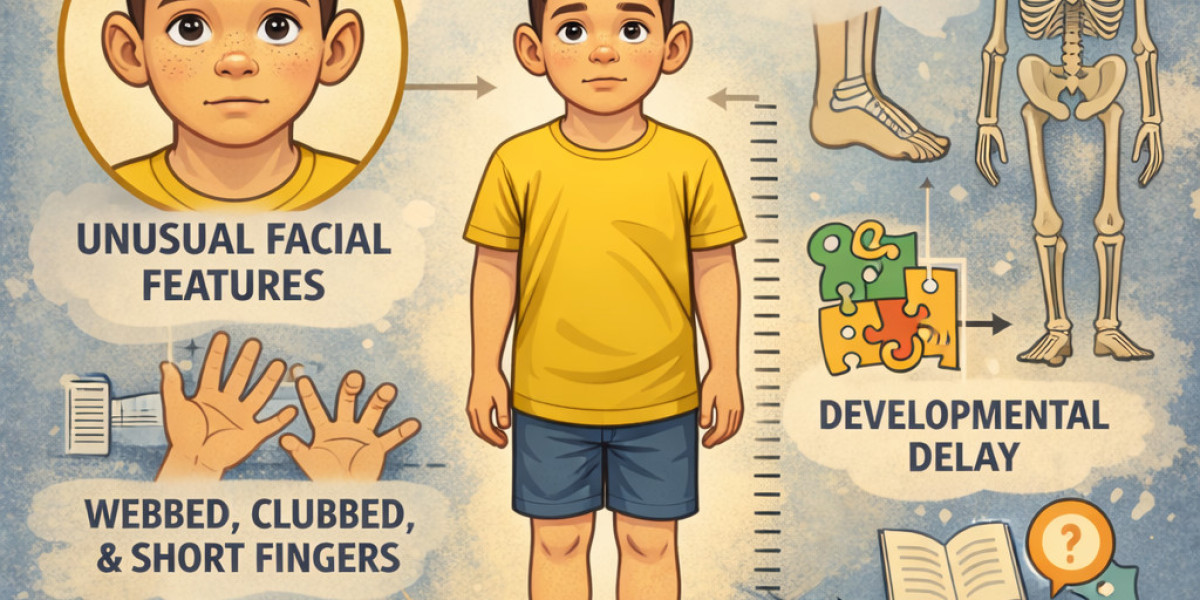
Children with this condition may present with:
Short stature
Distinct facial features
Delayed growth
Skeletal abnormalities
Mild developmental or learning difficulties
Although nutrition cannot cure the syndrome, a carefully planned diet can support growth, strengthen immunity, enhance brain development, and improve overall quality of life.
Role of Nutrition in Aarskog-Scott Syndrome
Nutrition plays a supportive role by:
✔ Supporting healthy growth and bone development
✔ Enhancing brain and nervous system function
✔ Improving muscle strength and energy levels
✔ Supporting immune health
✔ Preventing nutritional deficiencies
Children with genetic developmental conditions often benefit from nutrient-dense diets rich in proteins, vitamins, and minerals.
Essential Nutrients for Aarskog-Scott Syndrome
1. Protein for Growth and Tissue Development
Protein is essential for muscle growth, tissue repair, and hormone production.
Benefits
Supports physical growth
Helps maintain muscle mass
Supports enzyme and hormone function
Healthy Sources
Lentils and dals
Chickpeas
Green gram (moong)
Soy products (tofu, soybeans)
Paneer and yogurt
Nuts and seeds
Protein-rich foods are particularly important for children experiencing delayed growth.
2. Calcium and Vitamin D for Bone Health
Children with this syndrome may have skeletal abnormalities, making bone health extremely important.
Benefits
Strengthens bones and teeth
Supports skeletal development
Helps prevent bone weakness
Food Sources
Milk and dairy products
Ragi (finger millet)
Sesame seeds
Almonds
Green leafy vegetables
Vitamin D Sources
Sunlight exposure
Fortified foods
Mushrooms
3. Omega-3 Fatty Acids for Brain Development
Omega-3 fatty acids support brain development and cognitive function, which can help children with mild developmental delays.
Benefits
Supports nervous system development
Improves concentration and learning ability
Reduces inflammation
Vegetarian Sources
Flaxseeds
Chia seeds
Walnuts
Hemp seeds
4. Iron for Energy and Cognitive Development
Iron is necessary for oxygen transport and brain function.
Iron deficiency may lead to:
Fatigue
Poor concentration
Delayed cognitive development
Food Sources
Spinach
Beetroot
Dates
Lentils
Pumpkin seeds
Combining iron foods with vitamin C sources like lemon or amla improves absorption.
5. Zinc for Growth and Immunity
Zinc supports cell growth, immune function, and wound healing.
Food Sources
Pumpkin seeds
Cashews
Whole grains
Legumes
Sesame seeds
6. Antioxidants for Cellular Protection
Antioxidants protect cells from oxidative stress and inflammation.
Rich Sources
Amla
Berries
Carrots
Tomatoes
Turmeric
Leafy vegetables
Healthy Dietary Pattern (Sample Diet plan)
Breakfast
Millet porridge with nuts and seeds
Pesarattu (green gram dosa)
Vegetable upma with sprouts
Lunch
Brown rice or millet
Dal or sambar
Mixed vegetable curry
Leafy green vegetable
Evening Snack
Fruit with nuts
Yogurt smoothie
Roasted chickpeas
Dinner
Multigrain roti
Lentil soup
Light vegetable curry
Nutritional Challenges in Aarskog-Scott Syndrome
Some children may experience:
Poor appetite
Feeding difficulties
Slow growth
Helpful strategies include:
✔ Small frequent meals
✔ Nutrient-dense foods
✔ Smoothies and soups for easy consumption
✔ Balanced combination of protein, carbohydrates, and healthy fats
Lifestyle and Supportive Measures
Along with good nutrition:
✔ Encourage regular physical activity
✔ Ensure adequate sleep
✔ Provide early developmental support
✔ Maintain regular medical check-ups
These measures help improve growth, motor skills, and cognitive development.
Conclusion
Aarskog-Scott Syndrome is a rare genetic condition affecting growth and development. While nutrition cannot cure the disorder, a balanced diet rich in protein, calcium, omega-3 fatty acids, iron, zinc, and antioxidants can significantly support overall health.
When combined with medical care, physical therapy, and developmental support, proper nutrition helps children with Aarskog-Scott Syndrome achieve better growth, stronger immunity, and improved quality of life.