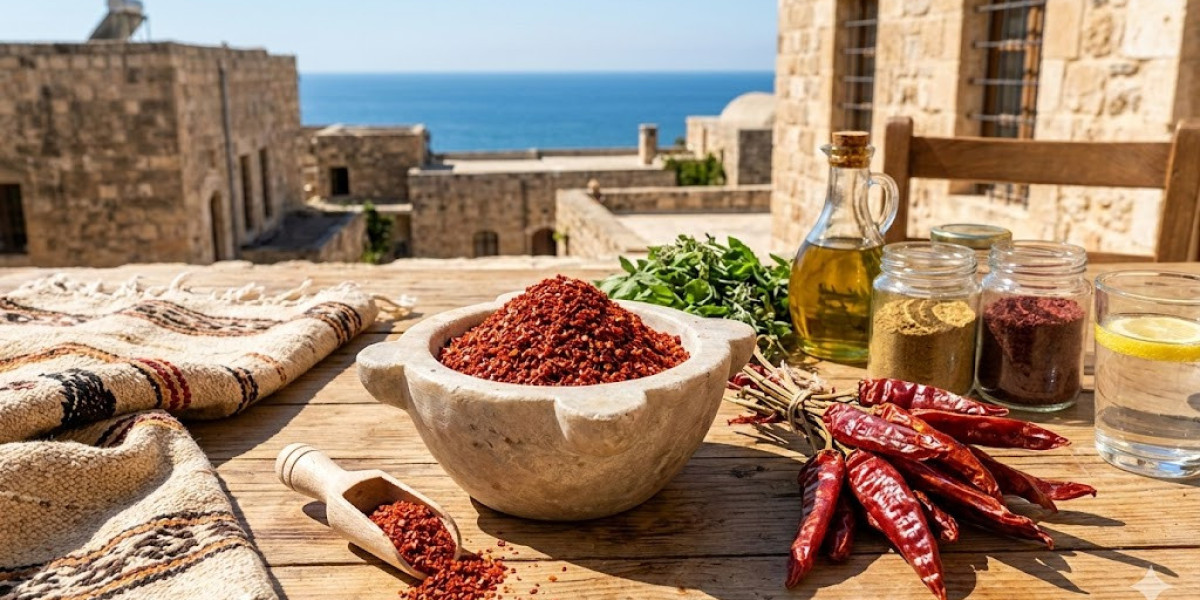

Aleppo Pepper, also known as Halaby pepper, is one of the most valued spice crops of the Mediterranean region. Prized for its moderate heat, fruity flavor, and deep red color, it plays a significant role in regional agriculture, export trade, and small-scale farming economies.
1. Agricultural Importance in the Mediterranean
Aleppo pepper is traditionally cultivated in countries like:
Syria
Turkey
Lebanon
Climate Requirements
Warm, dry Mediterranean climate
Long sunny growing season
Well-drained sandy or loamy soil
Moderate irrigation
The Mediterranean climate is ideal because low humidity during ripening prevents fungal infections and improves color development.
Economic Value for Farmers
High per-acre return compared to many cereal crops
Suitable for small and marginal farmers
Requires moderate input costs
Strong demand in both domestic and export markets
Aleppo pepper supports rural livelihoods and strengthens spice-based agricultural economies.
2. Harvesting Process
Growing Cycle
Seeds are sown in early spring
Transplanting after 4–6 weeks
Maturity reached in 90–120 days
Harvesting Stage
Peppers are harvested when:
Fully red and ripe
Firm but slightly soft
Maximum oil and flavor concentration achieved
Harvesting is often done manually to avoid damage and maintain quality.
Post-Harvest Processing
Sun-drying for several days
Partial deseeding
Crushing into flakes
Light salting and oil curing
Traditional sun-drying under Mediterranean sunlight enhances flavor complexity and natural preservation.
3. Business & Trade Potential
Domestic Market
Aleppo pepper is widely used in:
Traditional Mediterranean cuisine
Spice blends
Food processing industries
Gourmet restaurants
Export Opportunities
Global demand is rising due to:
Growth in Middle Eastern cuisine popularity
Increased demand for natural spices
Health-conscious consumers seeking antioxidant-rich foods
Major export markets include:
United States
Germany
United Kingdom
Value-Added Products
Organic certified flakes
Premium glass packaging
Spice blends
Pepper-infused oils
Private label branding
This creates opportunities for agribusiness entrepreneurs and export-oriented spice brands.
4. Sustainability & Agricultural Impact
Aleppo pepper cultivation:
Encourages crop diversification
Improves soil utilization
Supports traditional farming knowledge
Requires relatively low chemical inputs
It fits well in sustainable and regenerative agricultural models common in Mediterranean farming systems.
5. Future Scope
With increasing global interest in:
Authentic ethnic foods
Clean-label ingredients
Functional and antioxidant-rich spices
Aleppo pepper has strong long-term market potential. Investment in modern drying technologies, organic certification, and global branding can significantly enhance profitability.
Conclusion
Aleppo pepper is more than a spice; it is a culturally significant, economically valuable, and agriculturally sustainable crop of the Mediterranean region. With proper harvesting, processing, and branding strategies, it offers strong business opportunities while supporting rural farming communities.