
While everyone knows the standard garden okra (A. esculentus), its wild relative—Abelmoschus ficulneus—is quietly gaining a reputation among botanical enthusiasts and herbalists.
Native to hot, dry regions from Africa to Northern Australia, this "Native Rosella" isn't just a tough survivor; it's a multi-purpose plant that offers more than just edible pods. Here is why you should know this unique member of the Abelmoschus family.
1. Distinct Identification: White Flowers vs. Yellow
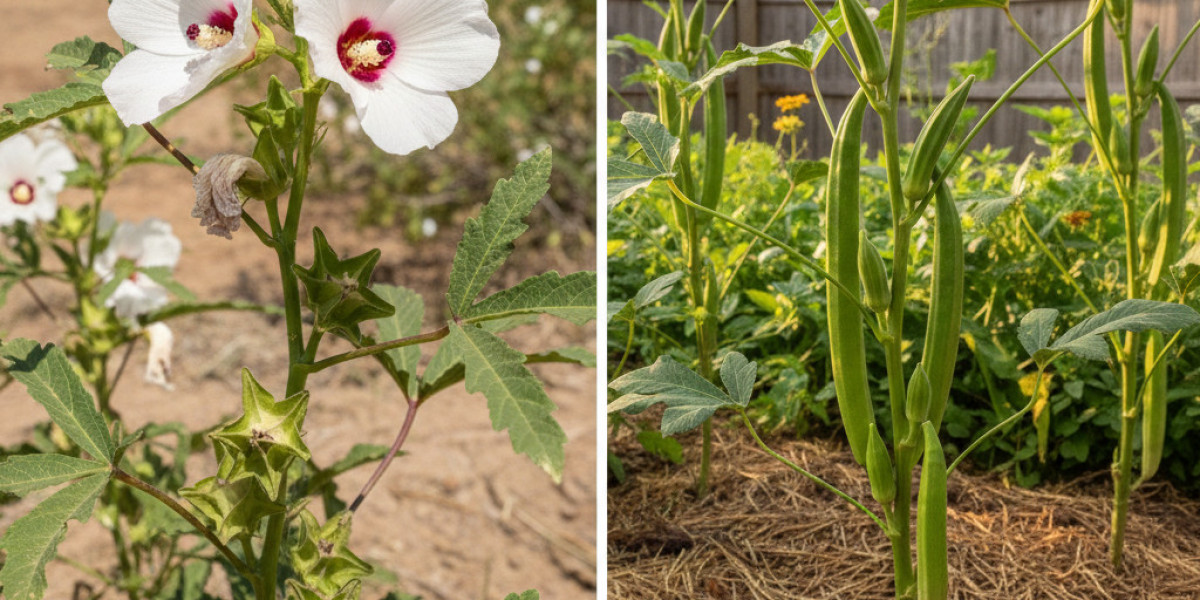
Unlike the pale yellow flowers of common okra, Abelmoschus ficulneus boasts stunning white to soft pink blooms with a deep, dramatic purple center.
The Cycle: The flowers are early risers, usually opening by 9 AM and fading by noon, often turning a darker pink or purple as they age.
The Plant: It’s a hardy undershrub, reaching about 2–5 feet, with stems covered in soft, velvety hairs (watch out, though—they can still be itchy!).
2. The Medicinal "Rasayana"
In Ayurvedic traditions and modern research, A. ficulneus is valued for its potential health benefits.
Immune Support: Studies have shown that leaf extracts can act as an immunomodulator, helping to boost the body's natural defenses.
Digestive & Kidney Health: Traditionally, a decoction of the fruit is used to help dissolve urinary stones, while the roots are used in treatments for blood purification.
3. Culinary & Industrial Versatility
This plant is a "zero-waste" candidate. Every part has a job:
The Seeds: In Arabia, the seeds are roasted and added to coffee to improve its flavor and provide a unique aroma.
The Stems: The white fibers from the stem are incredibly strong and are used to make high-quality twine and cordage.
The Clarifier: Interestingly, the mucilaginous extract from the green stems is used in the sugar industry to clarify sugarcane syrup!
4. How to Grow the "Native Rosella"
If you can grow okra, you can grow Abelmoschus ficulneus. It is even more drought-tolerant than its cultivated cousin.
Sun: It thrives in 100% direct sunlight.
Soil: It isn't picky. It grows well in fallow fields, tank bunds, and even water-logged soils near rivers.
Season: It typically flowers and fruits between September and March.
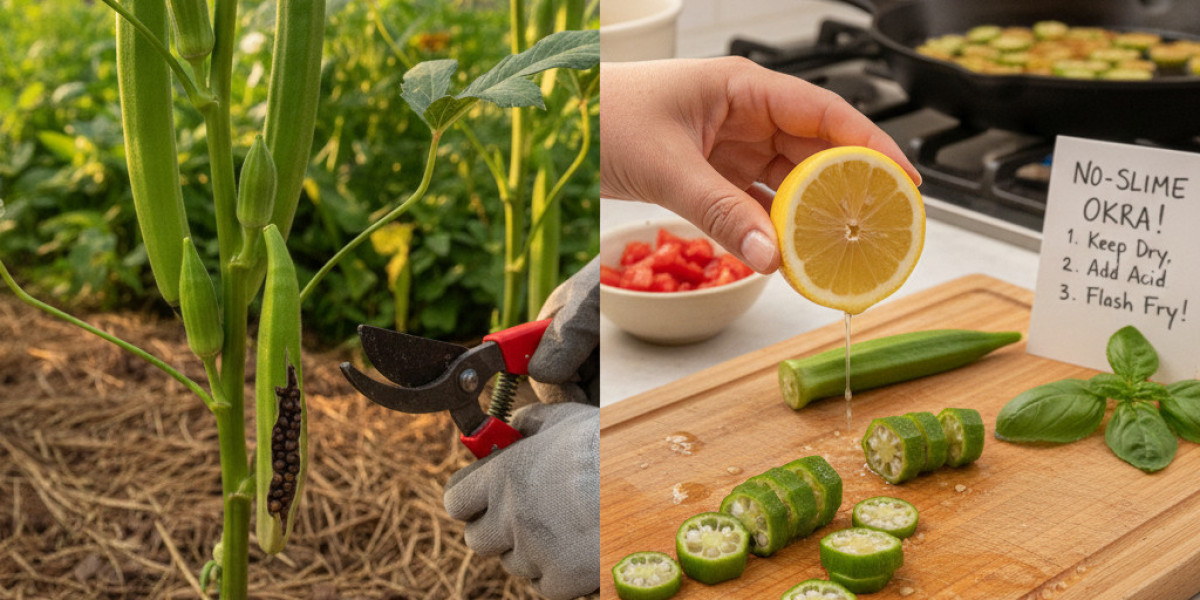
Safe Handling Tip: Just like standard okra, the pods and stems are covered in tiny prickles. Always use gloves when harvesting to avoid "gardener's itch."
Comparison: Wild vs. Cultivated Okra
| Feature | Abelmoschus ficulneus (Wild) | Abelmoschus esculentus (Garden) |
| Flower Color | White / Pink | Pale Yellow |
| Main Use | Medicine / Fiber / Seeds | Culinary (Vegetable) |
| Drought Rank | Extremely High | High |
| Pod Size | Small, Bulky (2.5–4 cm) | Long, Pyramidal (10–20 cm) |
Final Thoughts
Whether you are looking for a beautiful ornamental hibiscus relative or a hardy medicinal herb, Abelmoschus ficulneus is a fascinating alternative to the standard garden variety.
Want to see a side-by-side visual of these two species? Or would you like me to draft a research-focused summary on the immunomodulatory effects of this plant for your technical readers?